New study based on insights from over 1,000 business leaders

Equipment finance for a changing world
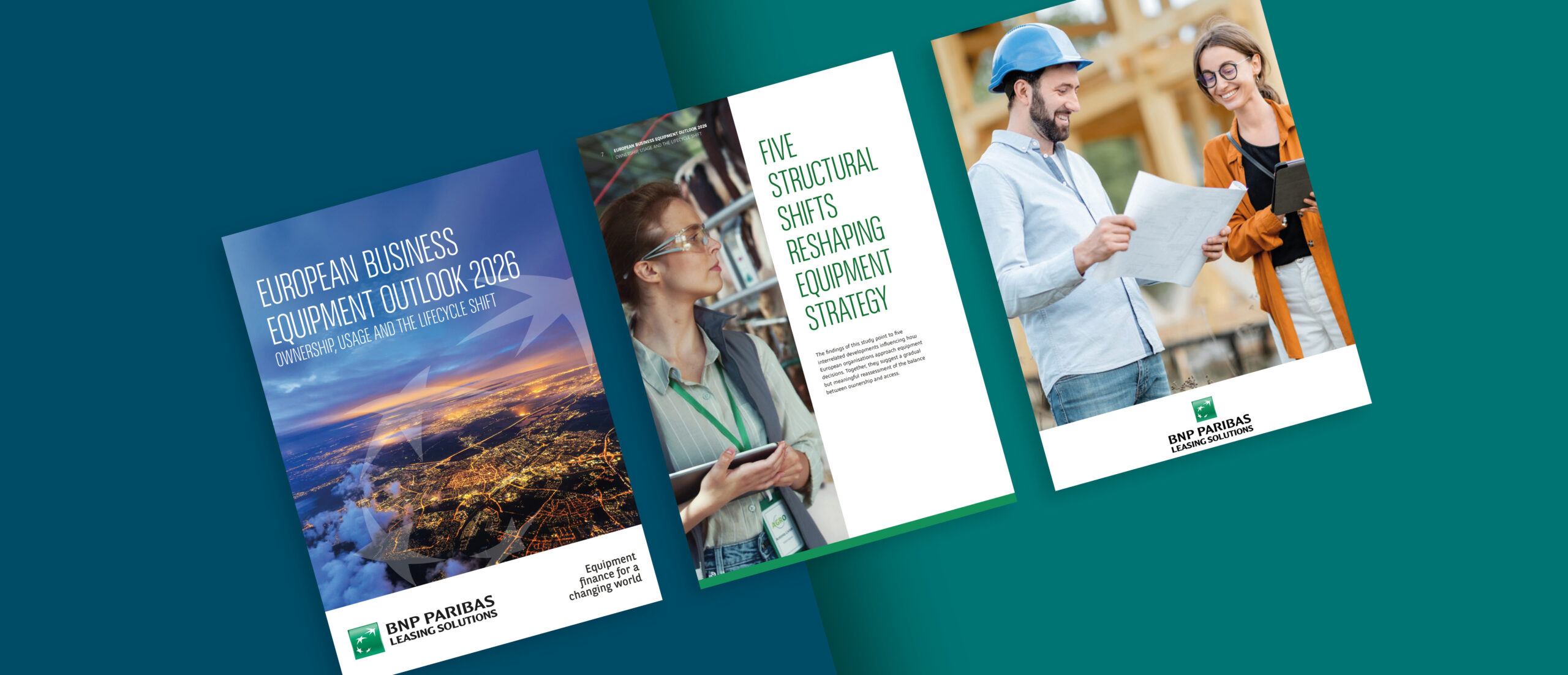


Drawing on a Censuswide survey conducted in December 2025, our latest report analyses how companies are rethinking equipment ownership, financing and access in response to faster technology cycles, constrained capital and increasing lifecycle accountability. Highlights include:
Chapter 1 – Ownership Under Pressure
Why obsolescence-before-ROI is becoming the expected outcome rather than the exception, and how capital lock-up is shaping CAPEX decisions across Europe.
Chapter 2 – Equipment Lifecycle Accountability
How regulation is moving lifecycle responsibility upstream – and why so many business leaders still find end-of-life management a challenge in practice.
Chapter 3 – The Usage Landscape
Where access-based models are already embedded, why adoption remains uneven, and what conditions would allow them to scale.
Get practical, data‑driven insights into how European businesses are rethinking equipment strategy.
Based on research with over 1,000 business leaders across six key sectors, the report highlights the trends, challenges and priorities shaping equipment strategy today, and what they mean for businesses looking to stay competitive.
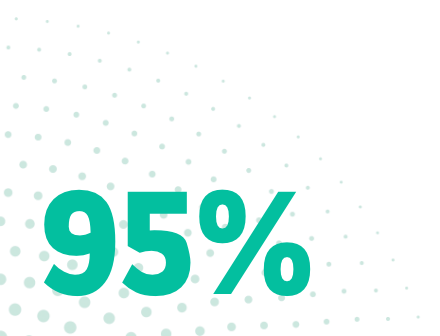
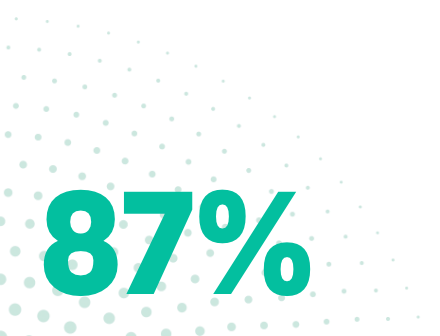
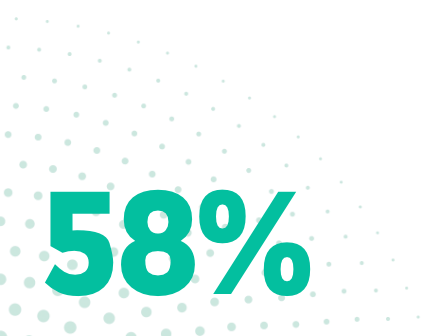
Three forces are reshaping how European businesses think about equipment: ownership under pressure, lifecycle complexity, and the rise of usage models. Explore each one in a visual snapshot drawn from the full report.
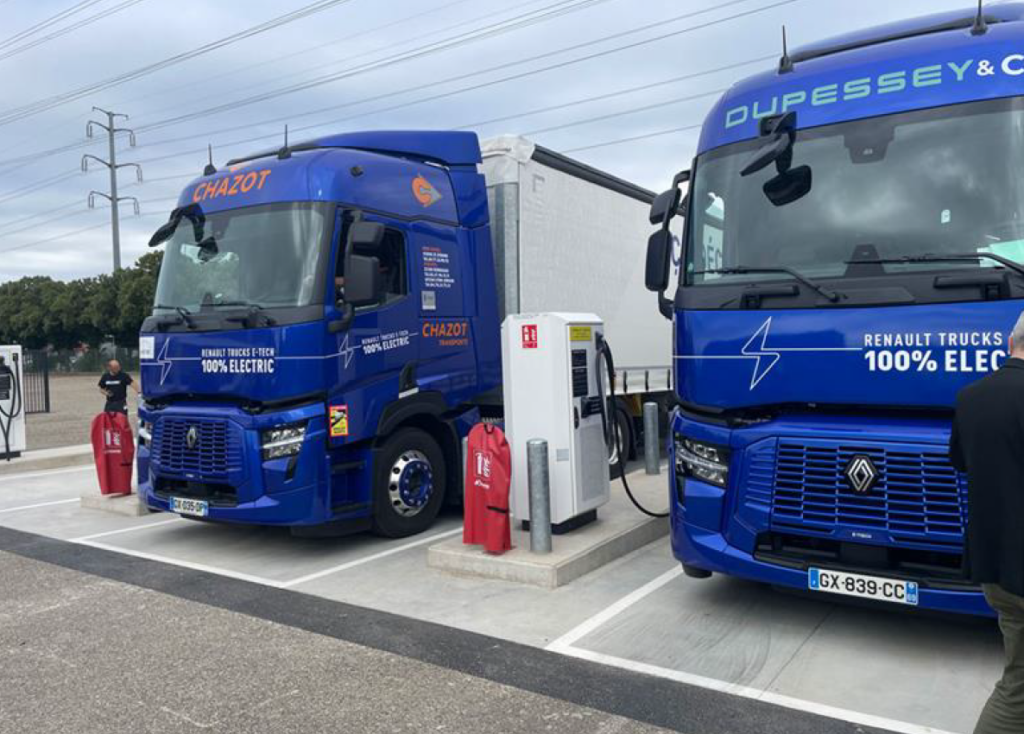
Equipment strategy is being reshaped by forces that are structural – not cyclical.
Technology cycles are shortening, increasing the risk of obsolescence. Capital is more constrained, making long-term ownership harder to justify. And expectations around lifecycle management, sustainability, and regulation are rising.
Together, these shifts are challenging traditional ownership-led models. For many organisations, the question is no longer whether to own, but when ownership makes sense – and when flexibility creates more value.

60% of organisations say capital tied up in assets is a challenge.
35% say it is a frequent issue.
87% of leaders find end‑of‑life management challenging.
68% say it already influences acquisition decisions.

58% say greater use of leasing or usage‑based models would improve agility.
Only 17% still see ownership as central to competitiveness.

Around 30% of equipment is already accessed via leasing or usage‑based models.
This share is expected to grow as cycles shorten and capital tightens.

The Outlook is written for business leaders who are re-examining how their organisations acquire, finance and retire business-critical equipment. It doesn’t advocate for one procurement model over another – it provides a reference point for understanding how your peers are making these decisions today.
Start a conversation on leasing and access models that support growth, capital efficiency and evolving business needs. Fill in the form below and we’ll be in touch.
"*" indicates required fields